
If you’re reading this, you’re probably already deep into planning a lifestyle shoot: product on a real model, in a real setting, with all the aspirational context that makes a shopper picture themselves using it. That’s still one of the best ways to sell a product online. The question is no longer whether lifestyle imagery works — it’s whether you need a full traditional production to get it.
A growing number of brands are swapping part or all of that traditional shoot for an AI photoshoot — and keeping the same lifestyle, model-driven look while cutting out the logistics that make these shoots expensive and slow to schedule. Here’s how the two approaches actually compare, and how to decide which one fits your next campaign.
What a Traditional Lifestyle Shoot with Models Actually Costs You
Before comparing anything, it helps to be honest about what a model-based lifestyle shoot involves behind the scenes. It’s rarely just “hire a photographer for a day.” A typical production stacks up:
- Studio or location rental, often booked in half-day or full-day blocks
- Model casting and talent fees, which scale with usage rights and the number of looks needed
- Hair, make-up and styling support
- Props, wardrobe and set dressing
- Coordination time — briefing, scheduling around model and studio availability, and reshoots if something doesn’t land
None of these costs are wasted — they’re what makes a real shoot look real. But they also mean a single campaign can take days or weeks to plan, and a reshoot (a different angle, a different setting, a seasonal refresh) means paying for most of that again.
See also: how real-life model photography compares with AI photography.
Where an AI Photoshoot Changes the Equation
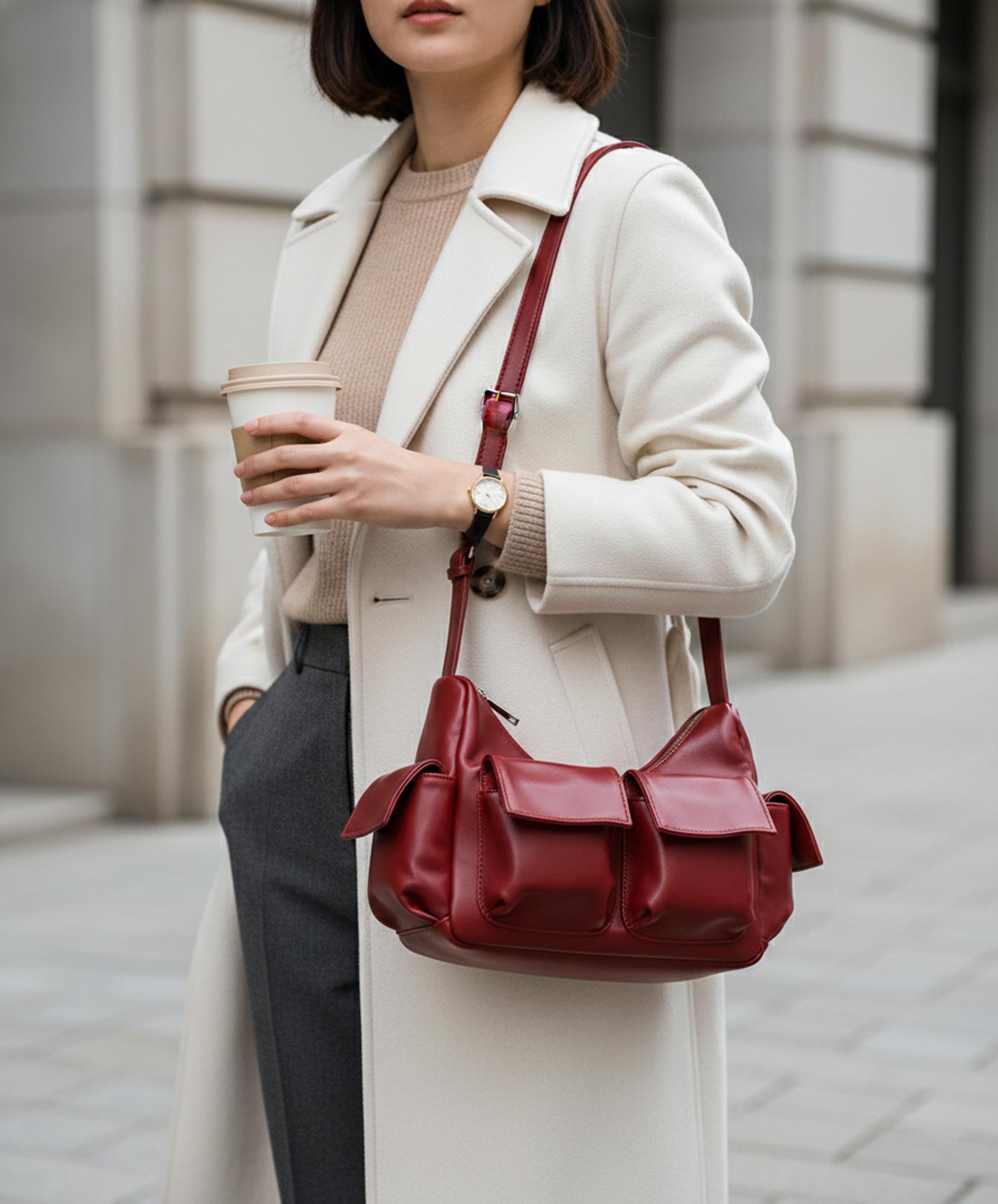
An AI photoshoot keeps the part of lifestyle photography that actually sells — a product shown on a model, in a styled, human context — while removing the parts that are purely logistical. With SnappyFly’s AI Photoshoot service, we stage and shoot your product, then use our proprietary SnappyFly.ai platform to generate the model and scene around it. You’re not booking a studio, casting talent, or coordinating a shoot day.
That matters most for brands that need:
- Multiple looks from one shoot — different models, settings or styling variations without re-booking a production each time
- Fast turnaround — no waiting on model and studio availability to line up
- Reusable assets — the same AI model can be reused across future campaigns for consistency, or swapped out for diversity, without a new casting process
Is It Actually Commercial-Safe?
This is usually the first question brand marketers ask, and it’s a fair one. Off-the-shelf AI tools can produce inconsistent results that aren’t usable for brand work. SnappyFly’s workflow is built specifically to avoid that: every generated model goes through an image integrity check that screens for resemblance to celebrities or other recognisable individuals, alongside a content integrity review, before anything is delivered. It’s worth being upfront that no AI screening process can guarantee an image is entirely free of third-party rights concerns — but the review step is there specifically to manage that risk for commercial use.
Cost and Time: A Side-by-Side View
| Traditional Model Shoot | AI Photoshoot | |
|---|---|---|
| Studio / location rental | Required per shoot | Not required |
| Model casting & talent fees | Required per shoot | Not required |
| Hair, make-up, styling | Required per shoot | Not required |
| Turnaround | Days to weeks (scheduling-dependent) | Typically 5-7 business days* |
| Reusing the same “model” later | New casting, new fees | Reuse the same AI model for consistency |
| Trying a different look/setting | New shoot | New generation, same product capture |
*Delivery timelines depend on order volume and complexity.
Exact savings depend on your brief — image volume, number of looks, and creative complexity all factor in. As a rule of thumb, the more models, locations or repeat shoots your campaign would otherwise need, the more an AI photoshoot tends to save in both cost and turnaround. The most reliable way to see the number for your specific project is to share your brief and get a tailored quote.
When a Traditional Shoot Still Makes Sense
An AI photoshoot isn’t a universal replacement, and it’s worth saying so plainly. Hero campaign imagery built around a very specific, highly art-directed concept, footage that needs real movement (video, for instance), or shoots where the brand story depends on an authentic, verifiable real-world location may still call for a traditional production — possibly a hybrid: real photography for your flagship assets, AI photoshoots for the volume of supporting lifestyle content around them.
How to Decide for Your Next Campaign
A simple way to think about it: if your brief needs one hero image that has to be exactly, verifiably real, book the traditional shoot. If your brief needs a range of lifestyle content — multiple products, multiple models, multiple settings, or content you’ll want to refresh seasonally — an AI photoshoot is very likely to get you there faster and at lower cost, without sacrificing the lifestyle look your audience responds to.
FAQ
Will AI-generated lifestyle images look as realistic as a real photoshoot?
SnappyFly’s AI Photoshoot workflow combines real product capture with a proprietary generation and accuracy-checking process built specifically for commercial use, rather than relying on off-the-shelf AI tools. The goal is brand-usable, consistent results — not a generic AI look.
How much cheaper is an AI photoshoot than booking models and a studio?
It depends on your brief, image volume and creative requirements, but savings generally come from not paying for studio rental, talent casting, make-up and repeated shoot days. Share your brief with SnappyFly for a quote tailored to your project.
Can I reuse the same AI model across different product campaigns?
Yes. One advantage of an AI photoshoot is that you can reuse the same AI model for visual consistency across campaigns, or swap to a new one when you want variety — without a new casting process either way.
Are AI-generated models safe to use commercially?
SnappyFly’s process includes an image integrity checker that screens for resemblance to celebrities or other recognisable individuals, plus a content integrity review, before delivery. That said, no screening process can fully guarantee an AI-generated image is free of third-party rights concerns.
Is an AI photoshoot suitable for a small brand, or only large campaigns?
It works for both. Because there’s no studio or talent booking minimum the way a traditional shoot has, it scales down to a small product range as easily as it scales up to a full campaign.
Ready to See It on Your Products?
If you’re planning a lifestyle shoot and want to see how an AI photoshoot would look on your own products, get in touch with SnappyFly and share your brief — we’ll walk you through the process and what it would cost for your specific campaign.